
Yes — your diet does influence how well you sleep. The clearest dietary disrupters are caffeine and alcohol close to bedtime, with meal size and timing playing a smaller role. Below, we look at what the research says and how to use it.
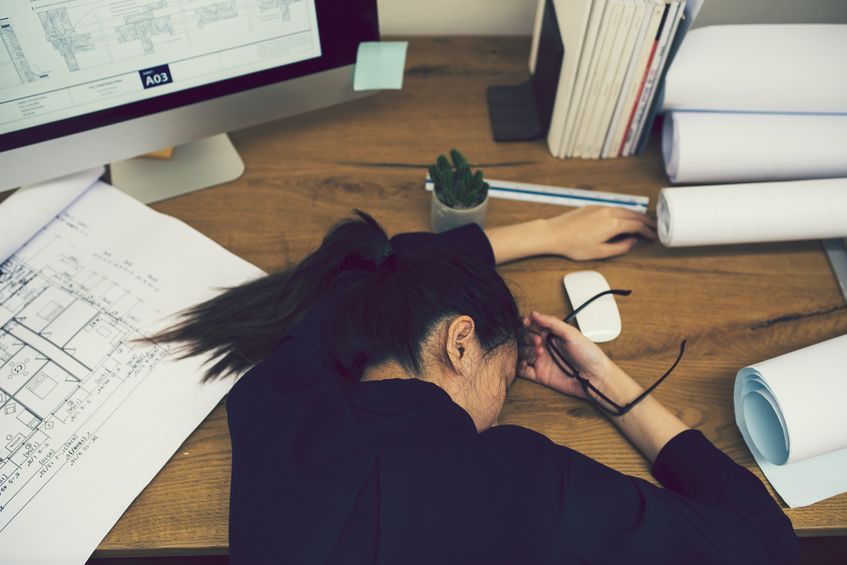
You’ve eaten a large meal and now feel sleepy, why is this?
Some science has indicated that the stomach distention experienced after a large meal can make you feel tired. Other science attributes this dip in energy to a high carbohydrate meal leading to tryptophan being absorbed more easily (a hormone that makes you tired). However, there is limited research to show that the amount and content of you lunch is what causes sleepiness.
Should you feel sleepy after your lunch time, but don’t feel you have overeaten or consumed a meal heavy in carbohydrates, this may be down to your circadian rhythm. In fact, this is the most likely cause of feeling tired in the afternoon.
Your circadian rhythm is a natural cycle that instructs your body when to go to sleep, wake up and eat.
Circadian rhythm
Your circadian rhythm is a natural cycle that instructs your body when to go to sleep, wake up and eat. It can be influenced by external factors such as sunlight and temperature, but the pattern generally repeats itself in predictable patterns throughout the day. The circadian rhythm causes an energy dip around 1pm and 4pm. This is why so many of us feel like eating something sweet in the afternoon as we crave the sugar to give us more energy. To read more about sugar read this article.
Will alcohol help or harm your sleep?
Although immediately after consuming alcohol you may feel it will help you to fall asleep more easily, in fact as the alcohol is metabolised through your system it can cause you to wake up more frequently and therefore lead to a restless night’s sleep. If consumed in large quantities and a high frequency you may cause yourself permanent sleep problems.
Is caffeine the enemy of a good night’s sleep?
Caffeine is a well-known stimulant that works by blocking chemicals in the brain that cause us to feel tired and it also increases adrenaline production. Caffeine can remain in our system and cause these effects for around 7 hours. Consider whether you consume food or beverages high in caffeine close to trying to fall asleep and whether this is causing you sleeping problems. Some examples of products high in caffeine are coffee, tea, some medicines, energy drinks and chocolate.
Conclusion
To prevent you feeling tired in the afternoon try to avoid too many carbohydrates at lunch. It is also possible to improve your quality of sleep it is best to avoid alcohol and caffeine too close to bedtime. It is also possible to improve your quality of sleep through non diet related foods, find some tips through through the sleep foundation website.