
A well-planned vegetarian diet can meet adult protein needs. UK guidance is roughly 0.75g of protein per kg body weight per day — about 56g for an average man and 45g for an average woman. Plant proteins (pulses, soy, whole grains, nuts, seeds) cover all 9 essential amino acids when eaten across the day. A few plant foods — soy, quinoa, amaranth, buckwheat, hemp seeds and spinach — are complete on their own.
Is it possible for a plant-based diet to meet our protein requirements? What are the best sources of protein for both vegetarian and meat-eaters?
A vegetarian is a person who does not consume meat or fish. This could be due to either moral, religious or health reasons.
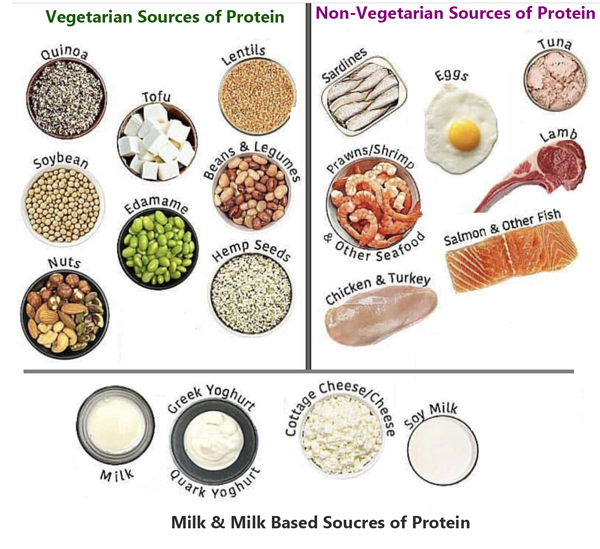
The importance of protein
It is essential in the diet. It has multiple metabolic and physiological functions e.g. regulating food intake, body composition and weight, regulating blood pressure and blood glucose, lipid and bone metabolism and supporting the immune system.
It provides the body with around 15% of its dietary energy requirements and is the second most abundant compound in the body (water being the first).
The recommended amount of protein is set at 0.75g of protein per kilogram body weight per day in adults. This equates to roughly men aged 19-50 requiring 56g/day and women of the same age group requiring 45g/day.
A little bit on amino acids
- Protein is made up of amino acids, there are around 20 amino acids required by the body, 9 of which are essential (meaning they can only be obtained through the diet).
- Proteins from animal sources have a higher biological value than those from plant sources due to the pattern of amino acids being similar to the pattern in human cells. They are considered to be complete as they contain all 9 essential amino acids.
- However, this doesn’t necessarily mean that you can’t obtain all the amino acids from plant proteins alone. In order to obtain all the correct amino acids in the diet, it is important to understand the complementary action of proteins.
- The complementary action of proteins is how we obtain the highest biological value out of the food we eat. It works on the theory that the amino acids of one protein may compensate for the limitations of the other and certain food combinations may help individuals meet their nutritional requirements more easily.
- Firstly, obtaining your protein from a wide range of sources should mean you automatically achieve the complementary action of proteins. However, there are some pairings that have been shown to provide all essential amino acids.
Soy, quinoa, amaranth, buckwheat, hemp seeds, and spinach are all plant-based complete proteins.
- Soups, stews or curries that include legumes and grains
- Salads with beans and nuts
- Peanut butter or hummus on whole wheat pitta or bread
- Yoghurt with seeds or nuts
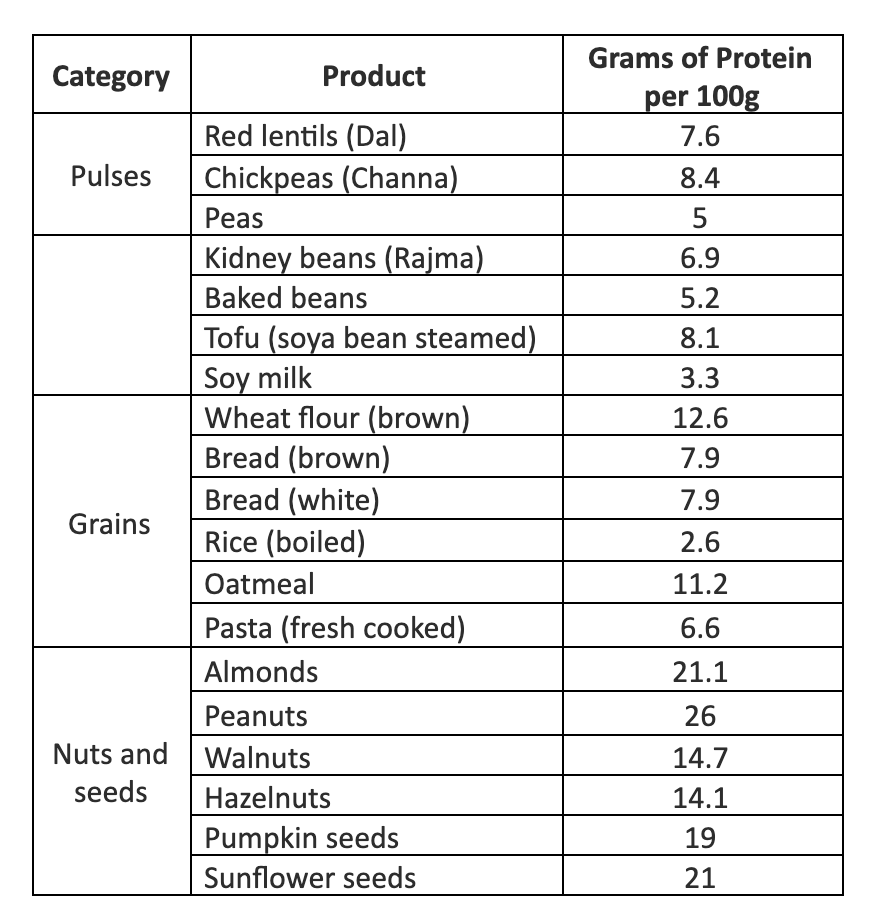
Some of the best plant-based sources of protein
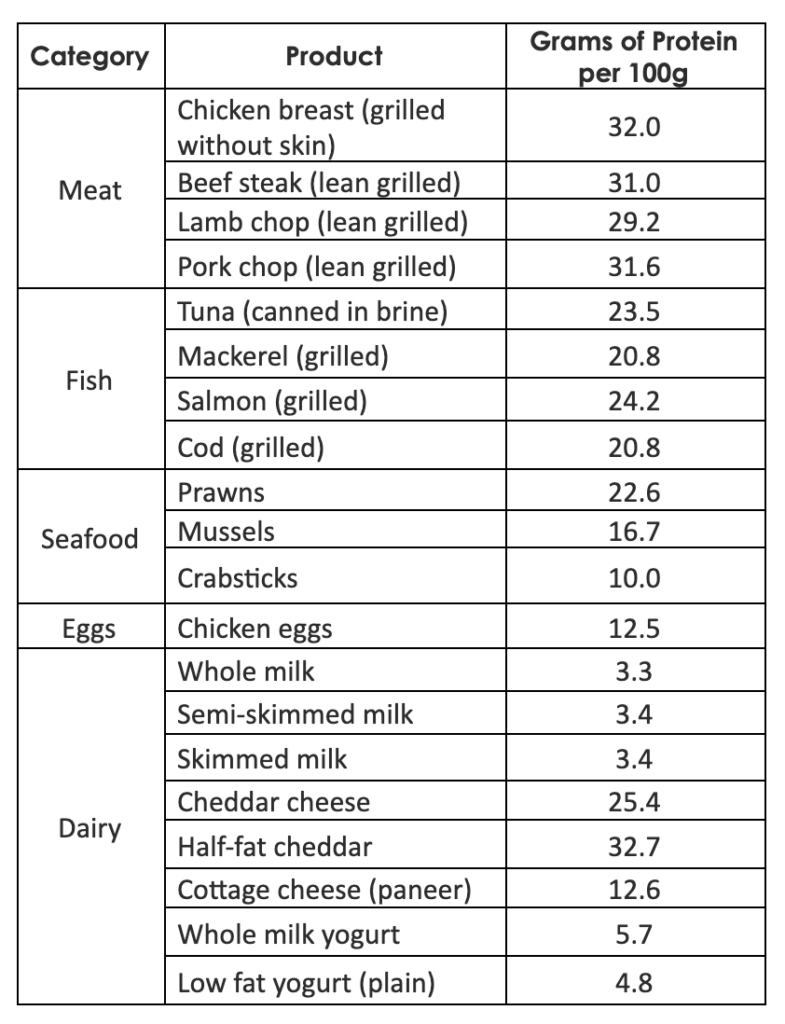
Some of the best animal-based sources of protein
Conclusion
Experts in the field of nutrition have determined that a well-planned plant-based diet can support healthy living. However, a wide variety of healthy foods need to be included to ensure your diet is balanced and sustainable. Experts have also concluded that many cultures consume too much meat and it would be healthier to swap some meat protein sources for plant-based sources. It is also advised to choose low-fat, protein-rich foods to avoid consuming too much-saturated fat and increasing the risk of developing cardiovascular disease.
To make sure you are meeting your protein requirements whether you are a vegetarian or meat-eater you can follow our healthy diet plans.